
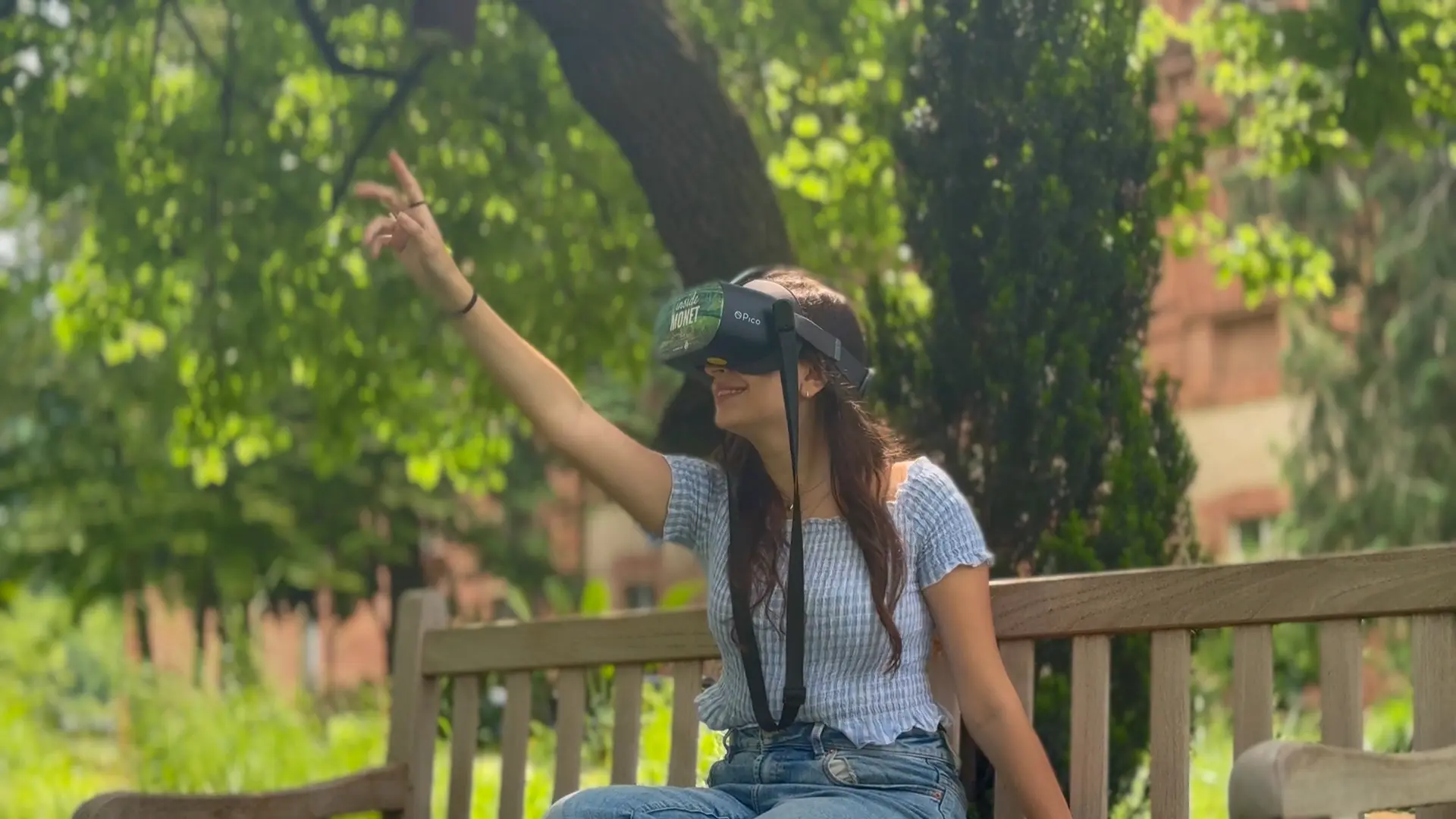
Few phrases provoke as much quiet dread among employees as “team-building day”. Too often, the format means forced fun, awkward icebreakers and activities that feel disconnected from the work people actually do together. Virtual reality is changing that. Used well, VR team building creates shared, genuinely engaging experiences that strengthen collaboration rather than simply filling an afternoon — and it does so in a way that feels modern, memorable and worth the investment.
Conventional team-building exercises suffer from a recurring problem: they rarely connect to the real dynamics of a team. Trust falls and quiz nights can be pleasant, but they seldom translate into better collaboration once everyone is back at their desks. Worse, activities that put people on the spot can be uncomfortable for quieter team members, reinforcing existing hierarchies instead of dissolving them. There is also the matter of memorability. Most traditional events are forgotten within weeks, leaving little behind beyond a few photographs. For organisations investing real budget and time, that is a poor return. The challenge, then, is to find formats that level the playing field, create a shared sense of achievement and leave a lasting impression — exactly where immersive technology has an advantage.
Virtual reality works for team building precisely because it creates presence: the powerful sensation of being somewhere together. When colleagues enter the same virtual environment, the usual social cues — job titles, seating plans, who speaks loudest — fall away. Everyone starts on equal footing in an unfamiliar world, which encourages people to communicate, experiment and rely on one another in new ways. This novelty is itself an asset. Because few participants will have done anything like it before, VR removes the fatigue that comes with familiar formats. The shared experience of discovery — of solving something none of the group has encountered before — builds the kind of genuine camaraderie that scripted exercises struggle to manufacture. The result is engagement that feels effortless rather than imposed. There is a further, practical benefit that matters to today’s organisations: inclusivity. VR experiences can bring together colleagues who work remotely, sit in different offices or rarely meet in person, giving distributed teams a rare moment of genuine togetherness. They also accommodate a wide range of personalities, offering quieter team members a way to contribute that does not depend on being the loudest voice in the room. In this sense, immersive formats can be fairer as well as more memorable.
The most effective VR team-building formats are designed around collaboration rather than competition alone. Free-roam experiences, in which a group physically moves through a shared virtual space, require constant communication and coordination: participants must describe what they see, agree on a plan and act together. These dynamics mirror the very skills that make teams effective at work. Beyond problem-solving, immersive formats can also be cultural or narrative in nature — taking a team on a shared journey through a story, a historical setting or a brand world built for the occasion. This variety means the experience can be tailored to the outcome an organisation wants, whether that is sharper communication, stronger trust or simply a sense of shared identity. The format adapts to the objective, not the other way around. These experiences also scale gracefully. The same immersive concept can be adapted for a small leadership group seeking a focused offsite or for hundreds of employees at a company-wide gathering, with the level of interaction adjusted accordingly. That flexibility makes VR team building practical for organisations of very different sizes, and easy to fold into a wider programme — a conference, an annual meeting or an away day — rather than treating it as an isolated event.
A reasonable question from any decision-maker is whether team building of this kind delivers measurable value. While the warmth of a shared experience is hard to quantify, several indicators are observable: participation rates, the energy and openness of post-event conversations, and feedback collected immediately afterwards. Over time, organisations can also track softer signals such as cross-team collaboration and employee sentiment. It also helps to be clear about what team building can and cannot achieve. A single event will not resolve deep structural problems, and it should not be asked to. What it can do is create a shared reference point, a moment of genuine connection that teams return to and build upon. Framed this way, with realistic expectations, immersive team building becomes a dependable investment rather than a gamble on a single afternoon. What sets immersive experiences apart is their durability. Because the activity is unusual and emotionally engaging, it stays in people’s memories — and in the stories they tell colleagues who were not there. That extended afterlife is part of the return, keeping the sense of connection alive long after the headsets are packed away. For a broader perspective on how immersive formats strengthen workplace culture, see our article on employee engagement through immersive experiences.
Designing an effective VR team-building experience begins with the outcome, not the technology. Clarifying what a team needs — better communication, renewed trust, a shared milestone to celebrate — allows the experience to be shaped around that goal. WAY Experience develops bespoke immersive activities for organisations, handling concept, production and on-site delivery. You can explore our approach to custom immersive projects to see how a tailored experience comes together. It is worth noting that immersive team building fits naturally alongside other corporate formats. The same principles that make it effective also power larger gatherings, as we explore in our guide to immersive corporate events. For teams in France and Switzerland, Italy’s central location makes on-site immersive sessions straightforward to organise. Team building does not have to be something employees endure. Done with intention and the right technology, it can be the highlight of the year — an experience that genuinely brings people closer and reminds them why working together matters. That is the promise of immersive team building, and it is one that organisations are increasingly choosing to keep.
Events, groups and schools
segreteria@wayexperience.it
Custom Projects
aziende@wayexperience.it
Customer care
info@wayexperience.it
Via Pordenone 8
20132 Milan
Italy
WAY Srl | CF e P.IVA 10728950964
Privacy Policy | Cookie Policy | Cookie preferences | Public Grants